

I’ll Start Monday (And Other Lies I Tell Myself).
There’s something wildly seductive about Monday.
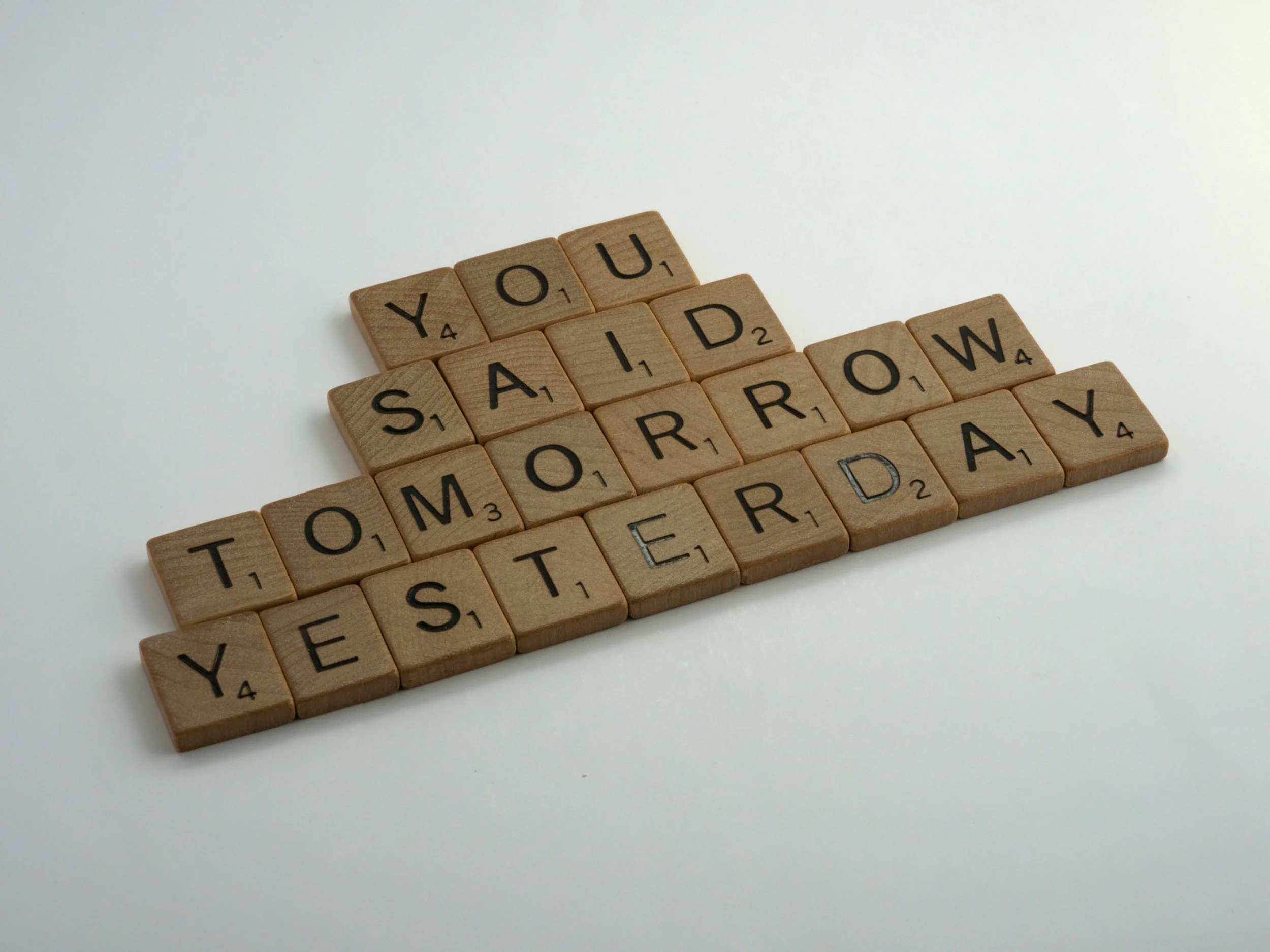
Monday feels clean. Responsible. Like a fresh notebook with no dents in the cover. Monday whispers, “This time will be different.” And as a millennial who has said “I’ll start Monday” more times than I can count—usually while actively avoiding the thing I want to change—I get the appeal.
But here’s the hard, emotionally-aware truth: “I’ll start Monday” is often the wrong mentality when we’re trying to build new habits or shift our behavior.
Not because you’re lazy. Not because you lack discipline. But because postponing change is less about timing and more about mindset.
January doesn’t help.
January comes in hot with its detoxes, morning routines, gym challenges, dry months, productivity hacks, and an unspoken expectation that we should all suddenly become optimized versions of ourselves overnight. There’s pressure to be healthier, calmer, more focused, more healed. And while intention-setting isn’t inherently bad, January tends to sell us the idea that transformation should be immediate and extreme.
That’s where things start to fall apart.
When we tell ourselves we’ll start Monday, or next week, or next month, we’re often waiting for the perfect version of ourselves to show up—the motivated one, the well-rested one, the one who isn’t overwhelmed, anxious, or burned out. But that version of you isn’t the one who needs the habit. The real you does.
From the millennial-in-therapy perspective (hi, it’s me), this ties directly into all-or-nothing thinking. You know the drill:
If I can’t do it perfectly, I won’t do it at all.
If I miss one day, I’ve failed.
If I fall off, what’s the point of getting back on?
This mindset convinces us that habits only “count” if they’re consistent from day one, uninterrupted, and aesthetically pleasing. And when life inevitably interrupts—as it always does—we interpret that disruption as proof that we’re incapable.
Spoiler alert: we’re not.
The problem with “I’ll start Monday” is that it puts all the weight on the start instead of the continuation. Habits aren’t built by grand openings. They’re built by messy resumes. By picking things back up after we drop them. By adjusting when motivation dips instead of abandoning ship entirely.
Consistency isn’t about doing the same thing every day with the same level of energy. It’s about staying in relationship with your goal—even when that relationship changes.
If you trailed off your morning walks? Start with five minutes today.
If you stopped journaling? Write one sentence.
If your January routine collapsed by January 12th? Welcome to being human—now pivot.
Motivation is not a reliable partner. It fluctuates based on stress, sleep, hormones, mental health, and life being… life. So if your habits only work when motivation is high, they won’t work for long.

Instead of asking, “How do I get myself to start Monday?” try asking:
What’s the smallest version of this habit I can do right now?
How can this goal adapt when my capacity changes?
What does “showing up imperfectly” look like today?
This isn’t about lowering standards. It’s about setting standards that are sustainable.
So if January made you feel behind, if you’re staring at a habit you “failed” at, or if Monday keeps getting pushed further and further away—consider this your permission slip to begin again. Not next week. Not when you feel ready. But in this moment, exactly as you are.
You don’t need a fresh start.
You need a realistic start.
And those can happen any day of the week.